
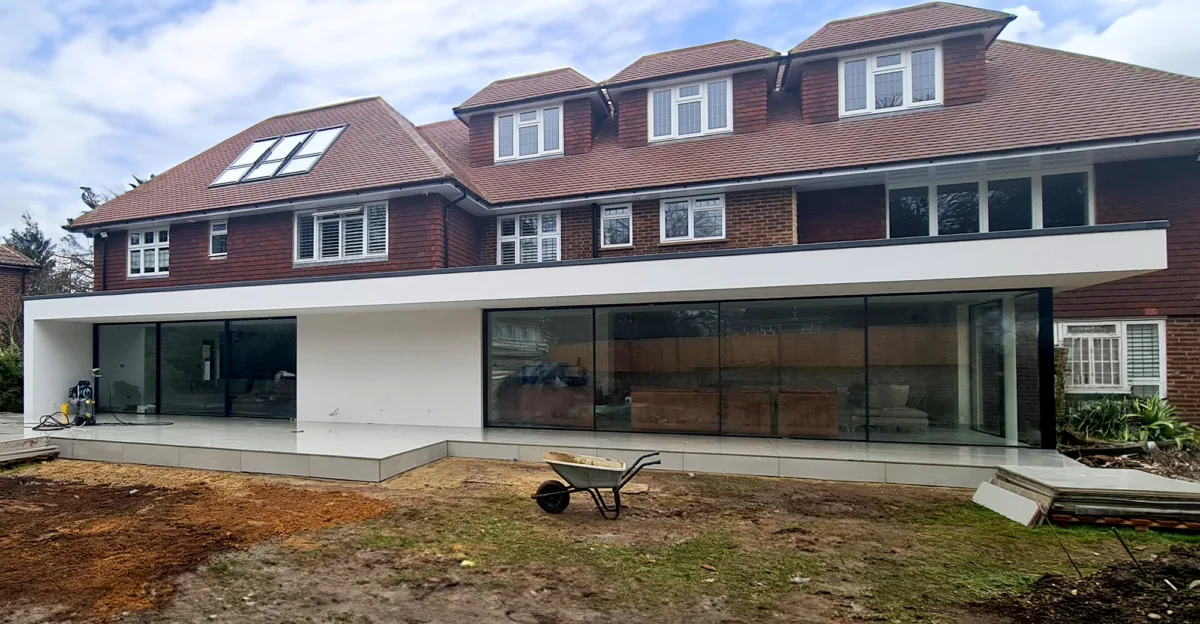
A loft conversion is one of the most effective ways to add living space to your home without moving. Before starting a project, it’s important to understand whether your property is suitable, what permissions may be required and how the process typically works.
This guide explains everything homeowners need to know before starting a loft conversion, helping you plan with confidence and avoid common mistakes.
What Is a Loft Conversion?
A loft conversion involves transforming unused attic space into a functional living area, such as a bedroom, home office or additional bathroom. When designed and built correctly, a loft conversion can significantly improve both the comfort and value of your home.
Unlike extensions, loft conversions make use of existing space, often allowing projects to be completed with minimal impact on the footprint of the property.
Our team specialises in designing and building bespoke Loft conversions for homes across London and Croydon.
Is Your Property Suitable for a Loft Conversion?
Not every loft is suitable for conversion, but many homes can be adapted with the right design and structural approach.
Key factors include:
Roof Height and Space
Most lofts require sufficient head height to create a comfortable living space. A professional assessment can determine whether adjustments are possible if height is limited.
Roof Structure
Traditional cut roofs are generally easier to convert than modern trussed roofs, though both can be adapted with appropriate structural work.
Type of Property
Terraced, semi-detached and detached houses can all be suitable for loft conversions, although the design options may vary depending on the property type.
An early feasibility check helps avoid wasted time and unrealistic expectations.
Types of Loft Conversions
There are several common types of loft conversions, each suited to different properties and budgets.
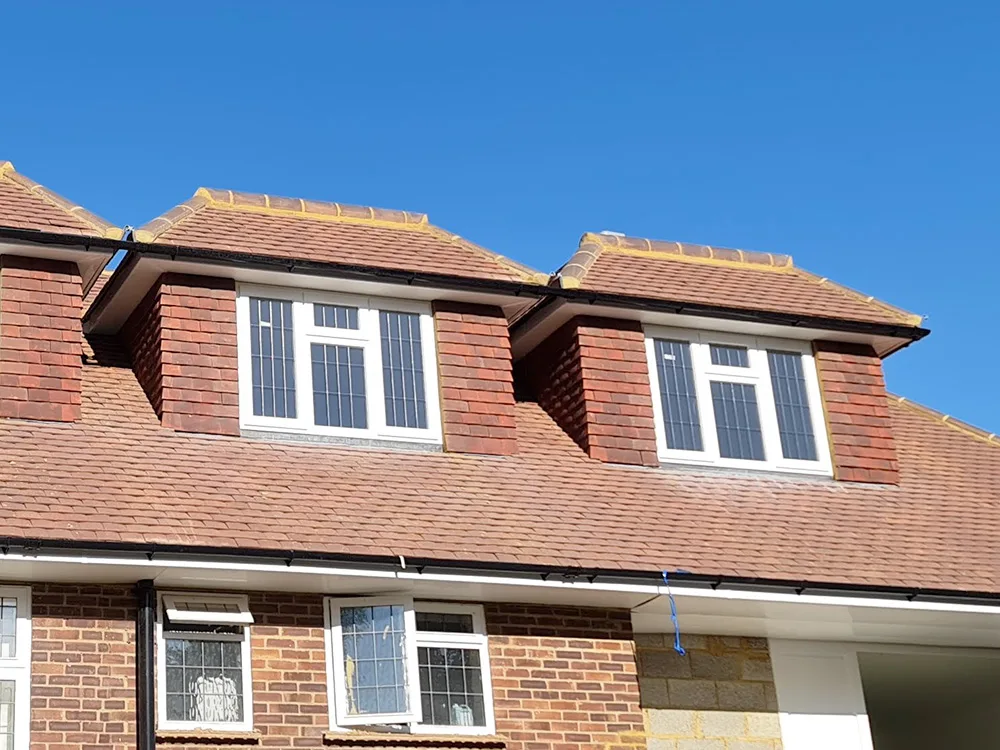
Dormer Loft Conversion – Adds additional headroom and usable floor space by extending the roof structure. One of the most popular options.
L-Shaped Dormer Loft Conversion – Often used on period properties, particularly in urban areas, to maximise internal space. We’ve delivered similar loft conversions on real residential properties, including this completed project in Croydon.
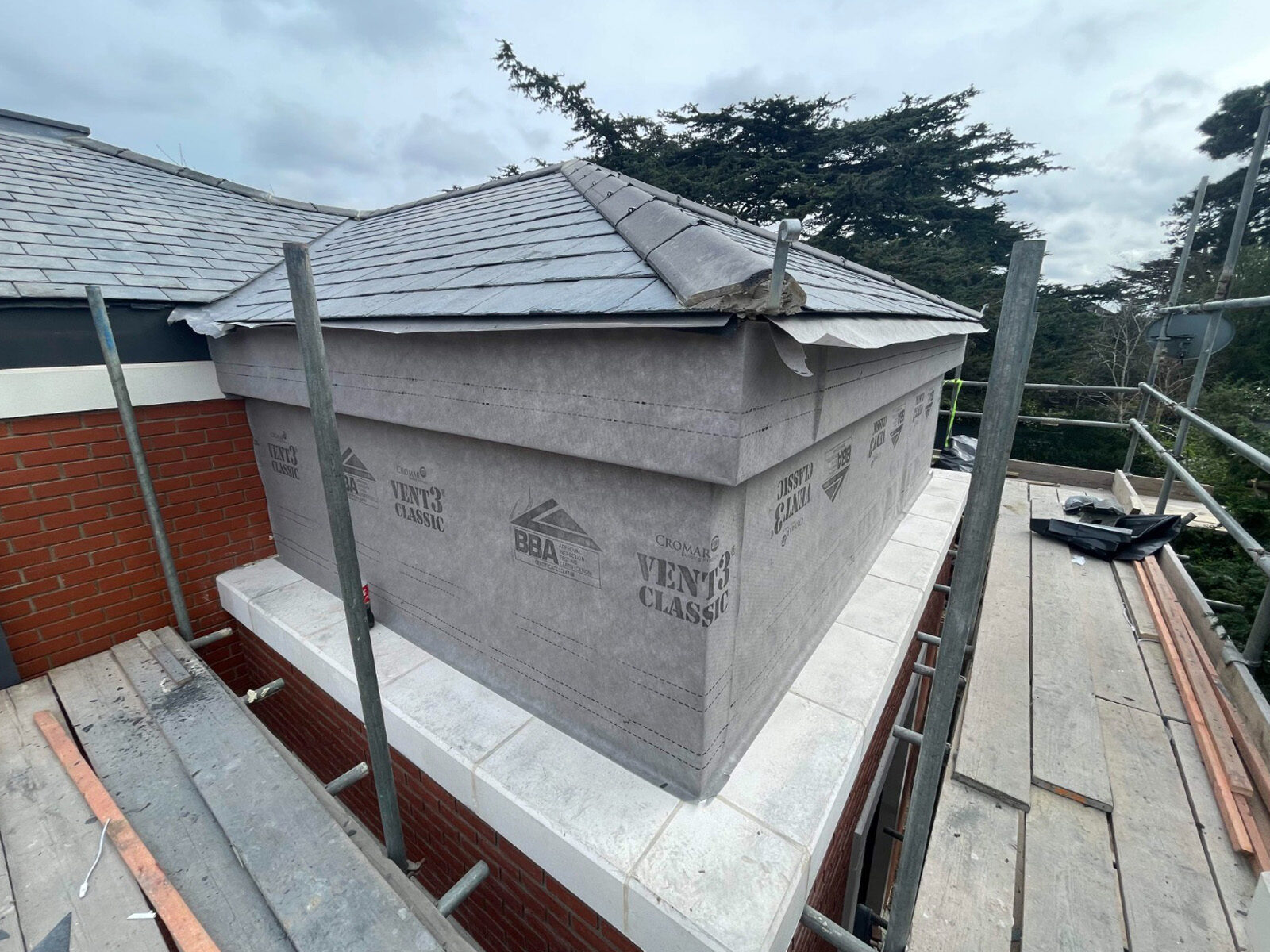
Mansard Dormer Loft Conversion – Mansard loft conversion transforms the existing roof into a near-vertical rear slope with a flat roof, creating the maximum possible living space within the loft.
Hip-to-Gable Loft Conversion – Common for semi-detached or detached homes with hipped roofs, creating a vertical wall to increase space.
Rooflight (Velux) Loft Conversion – Uses roof windows without altering the roof shape. Typically the least disruptive option where suitable.
The right choice depends on your property, planning considerations and how you intend to use the space.
Do You Need Planning Permission for a Loft Conversion?
Many loft conversions can be carried out under permitted development rights, meaning full planning permission is not always required.
However, this depends on factors such as roof alterations, property location and previous changes to the building.
In areas such as London and Greater London, additional restrictions may apply, particularly in conservation areas.
Understanding whether planning permission is required is a critical early step, as unauthorised works can lead to costly issues later.
Regardless of planning permission, all loft conversions must comply with UK building regulations.
Building Regulations and Compliance
These cover important areas such as:
- Structural safety
- Fire protection and escape routes
- Insulation and energy efficiency
- Staircase design and access
Compliance ensures the space is safe, legal and suitable for everyday use.
How Long Does a Loft Conversion Take?
The timeframe for a loft conversion varies depending on complexity, design and structural work required.
In most cases, a standard loft conversion takes around 8 to 12 weeks from the start of construction.
Clear planning and experienced project management help keep work on schedule and minimise disruption.
How Much Does a Loft Conversion Cost?
The cost of a loft conversion depends on several factors, including:
- Type of conversion
- Structural alterations
- Internal finishes
- Inclusion of bathrooms or bespoke features
Rather than focusing on averages, it’s important to obtain a detailed quotation based on your specific property and requirements.
Common Loft Conversion Mistakes to Avoid
Homeowners often encounter issues due to:
- Skipping early feasibility checks
- Underestimating regulatory requirements
- Poor layout planning
- Choosing design over practicality
Taking professional advice early can prevent delays, unexpected costs and long-term usability problems.
When Should You Speak to a Builder?
Ideally, you should speak to an experienced builder once you:
- Have a clear idea of how you want to use the space
- Need guidance on feasibility or regulations
- Want realistic advice on costs and timelines
Early discussions often help refine ideas and identify potential challenges before work begins.
Planning a Loft Conversion?
If you’re considering a loft conversion in Croydon or Greater London, our experienced team at Art & Build Ltd is happy to offer honest advice and professional guidance.
Speak to our team to discuss your plans and explore your options with confidence.