Planning permission is one of the most common questions homeowners ask before starting a loft conversion in London.
In many cases, loft conversions can be carried out under permitted development rights, meaning full planning permission may not be required. However, this depends on the property type, location, previous extensions and the scale of the proposed roof works.
If you are planning a loft conversion in Croydon or Greater London, understanding the planning route early can help you avoid delays, unexpected costs and problems later in the project.
Quick Answer
Many loft conversions in London do not need full planning permission if they stay within permitted development limits.
However, planning permission may be required if:
- the property is in a conservation area
- the house is listed
- permitted development rights have been removed
- the design changes the front roof slope
- the roof extension is too large
- a balcony, veranda, raised platform or roof terrace is proposed
- previous extensions have already used up the permitted development allowance
Even when planning permission is not required, Building Regulations approval is still needed for a loft conversion.

Planning Permission vs Permitted Development
Planning permission and permitted development are closely related, but they are not the same thing.
Planning permission means you make a formal application to the local planning authority and wait for approval before carrying out the work.
Permitted development rights allow certain home improvements to be carried out without a full planning application, provided the work meets specific rules and limits.
For loft conversions, permitted development can often apply to rear dormers and rooflight conversions, but the details matter. The size, position, design and location of the property all need to be checked.

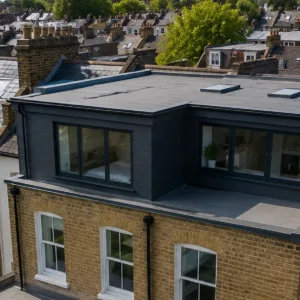
Rear dormer loft conversion typically carried out under permitted development
When Is Planning Permission NOT Required?
Many loft conversions fall under permitted development rights, provided certain criteria are met.
In general, planning permission may not be required if:
- the additional roof volume does not exceed 40m³ for terraced houses
- the additional roof volume does not exceed 50m³ for semi-detached or detached houses
- the extension does not go higher than the existing roof
- the extension does not extend beyond the plane of the existing front roof slope where it faces a highway
- materials are similar in appearance to the existing property
- no veranda, balcony or raised platform is included
- side-facing windows are obscure glazed where required
- opening side windows are positioned correctly
- the roof extension is set back appropriately from the eaves where required
Most simple Velux loft conversions and many rear dormer loft conversions may fall within permitted development, as long as they stay within the rules.
However, it is always important to check the property before assuming permission is not needed.
What Are Permitted Development Rights?
Permitted development rights are national planning rules that allow homeowners to make certain changes to their property without applying for full planning permission.
For loft conversions, these rights can be very useful because they may allow a homeowner to add roof space without going through a full planning application.
However, permitted development rights are not unlimited. They can depend on:
- the type of property
- the size of the proposed loft conversion
- previous roof extensions
- whether the home is in a conservation area
- whether the property is listed
- whether an Article 4 Direction applies
- the design and position of windows, dormers or roof extensions
Permitted development rights also usually apply to houses, not flats or maisonettes. If the property is a flat, maisonette or converted building, the planning route will usually need to be checked separately.
When Is Planning Permission Required?
Planning permission is usually required if the loft conversion goes beyond permitted development rules.
This may include situations where:
- the roof extension is larger than the permitted volume allowance
- the design alters the front roof slope facing a highway
- a balcony, veranda, raised platform or roof terrace is included
- the property is in a conservation area with restrictions
- the property is listed
- the house is in an area affected by an Article 4 Direction
- previous extensions have already used the permitted development allowance
- the design significantly changes the roof shape
- the proposal may affect neighbouring properties or the character of the area.
In London boroughs, additional restrictions can apply, especially in conservation areas and streets with strong architectural character.
If you are unsure, it is safer to check before starting work.
Conservation Areas and Article 4 Directions
Conservation areas are places with special architectural or historic interest. In these areas, planning rules can be stricter because councils want to protect the character of the street or neighbourhood.
If your home is in a conservation area, a loft conversion may still be possible, but the design, roof shape, materials and visibility from the street may be considered more carefully.
Some areas may also be affected by an Article 4 Direction. This can remove certain permitted development rights, meaning you may need planning permission for work that would normally be allowed elsewhere.
For homeowners in Croydon and Greater London, this is an important early check. A property can look suitable for a loft conversion, but local planning restrictions may still affect what can be built.
Loft Conversions in Croydon and Greater London
Each London borough has its own planning authority. For homeowners in Croydon, planning decisions are handled by the local council, and requirements can vary depending on the property, street and surrounding area.
Croydon has a wide mix of homes, including Victorian terraces, 1930s semi-detached houses, detached homes and more modern properties. Many of these can be suitable for loft conversions, but the planning route is not always the same.
Before starting a loft conversion in Croydon, it is worth checking:
- whether the property is in a conservation area;
- whether permitted development rights still apply;
- whether previous owners have extended the roof;
- whether a dormer, Velux or hip-to-gable design is being considered;
- whether a roof terrace or balcony is included;
- whether a Lawful Development Certificate would be useful.
Should You Apply for a Lawful Development Certificate?
Even if your loft conversion appears to fall under permitted development, applying for a Lawful Development Certificate is often a sensible step.
A Lawful Development Certificate is not the same as planning permission. Instead, it provides formal confirmation that the proposed work is lawful under permitted development rules.
This can be useful because it gives you written evidence that the project was checked. It can also help if you sell the property in the future, as buyers and solicitors may ask for proof that the loft conversion was lawful.
Building Regulations vs Planning Permission – What’s the Difference?
Planning permission and Building Regulations are often confused, but they deal with different parts of a loft conversion.
Planning permission focuses on whether the proposed work is acceptable from a planning point of view.
This may include:
- external appearance
- roof shape and size
- impact on neighbouring homes
- effect on the street scene
- conservation area restrictions
- privacy and overlooking
- balconies, roof terraces or raised platforms.
Building Regulations focus on whether the loft conversion is safe, structurally suitable and fit for everyday use.
This may include:
- structural safety
- fire safety and escape routes
- stairs and safe access
- insulation and energy efficiency
- ventilation
- windows and rooflights
- drainage if a bathroom is included.
Even if planning permission is not required, Building Regulations approval is still required for a loft conversion.
You can read more in our guide to loft conversion Building Regulations in Croydon.
For a broader overview of the loft conversion process, read our complete loft conversion guide.
Simple Planning Permission Flowchart
Planning advice is strongly recommended before starting.
40m³ for terraced houses / 50m³ for semi-detached or detached houses
Planning permission may be required.
Planning permission may be required.
Planning permission may be required.
A Lawful Development Certificate is still recommended.
Building Regulations approval will still be required.
This flowchart is a simplified guide only. Always check your specific property and local planning rules before starting a loft conversion.
What Happens If You Build Without Permission?
Carrying out a loft conversion without the required permission can lead to serious problems.
Possible issues include:
- enforcement notices
- delays
- additional costs
- difficulty selling the property
- problems with mortgage or legal checks
- having to alter or remove unauthorised work
Retrospective planning permission is sometimes possible, but it is not guaranteed. It is usually safer and more cost-effective to check the planning route before construction begins.
How Long Does Planning Permission Take in London?
If planning permission is required, a decision often takes around 8 weeks from the date of a valid application.
The timeframe can vary depending on:
- the complexity of the proposal
- whether neighbours object
- whether the council requests more information
- whether the property is in a sensitive location
- the quality of the drawings and supporting documents
Clear drawings and early planning advice can help reduce delays.

Do Neighbours Have a Say?
If your loft conversion falls under permitted development, neighbours are not usually consulted through a full planning process.
If planning permission is required, neighbours may be notified and given the opportunity to comment.
Most rear dormer and Velux loft conversions are common in London, but the design still needs to be sensible. Privacy, overlooking, roof terraces and the impact on neighbouring homes should all be considered.
Separate from planning, some loft conversions may also involve party wall matters, especially in terraced or semi-detached houses.
You can read more in our guide to party wall agreements for loft conversions.
Do You Need an Architect or a Builder First?
In many cases, the process begins with a feasibility assessment. This helps establish whether the loft can realistically be converted and which planning route may apply.
A typical early process may include:
- checking the existing roof space
- considering the staircase position
- reviewing likely planning requirements
- checking permitted development potential
- considering Building Regulations
- preparing drawings or design options
- estimating likely loft conversion cost and scope
An experienced loft conversion builder can help you understand what may be possible before you commit to a full design route.
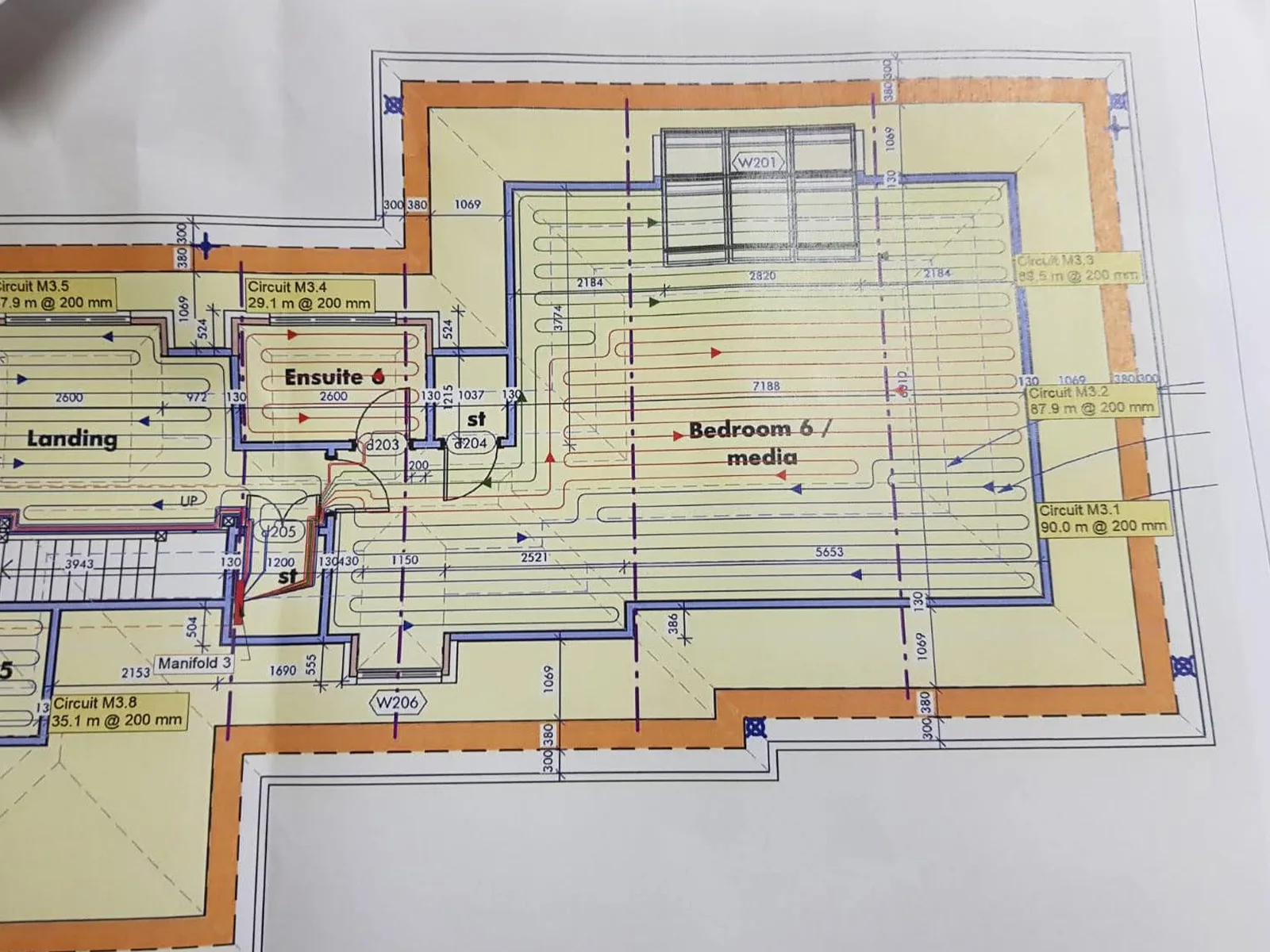
Real Projects Inspiration
Art & Build Ltd has completed a wide range of loft conversion and refurbishment projects across Croydon and Greater London.
Explore our completed projects below to see how unused spaces can be transformed into practical, well-designed living areas. Each project showcases our approach to planning, construction, finishing details and creating homes that work better for everyday living.
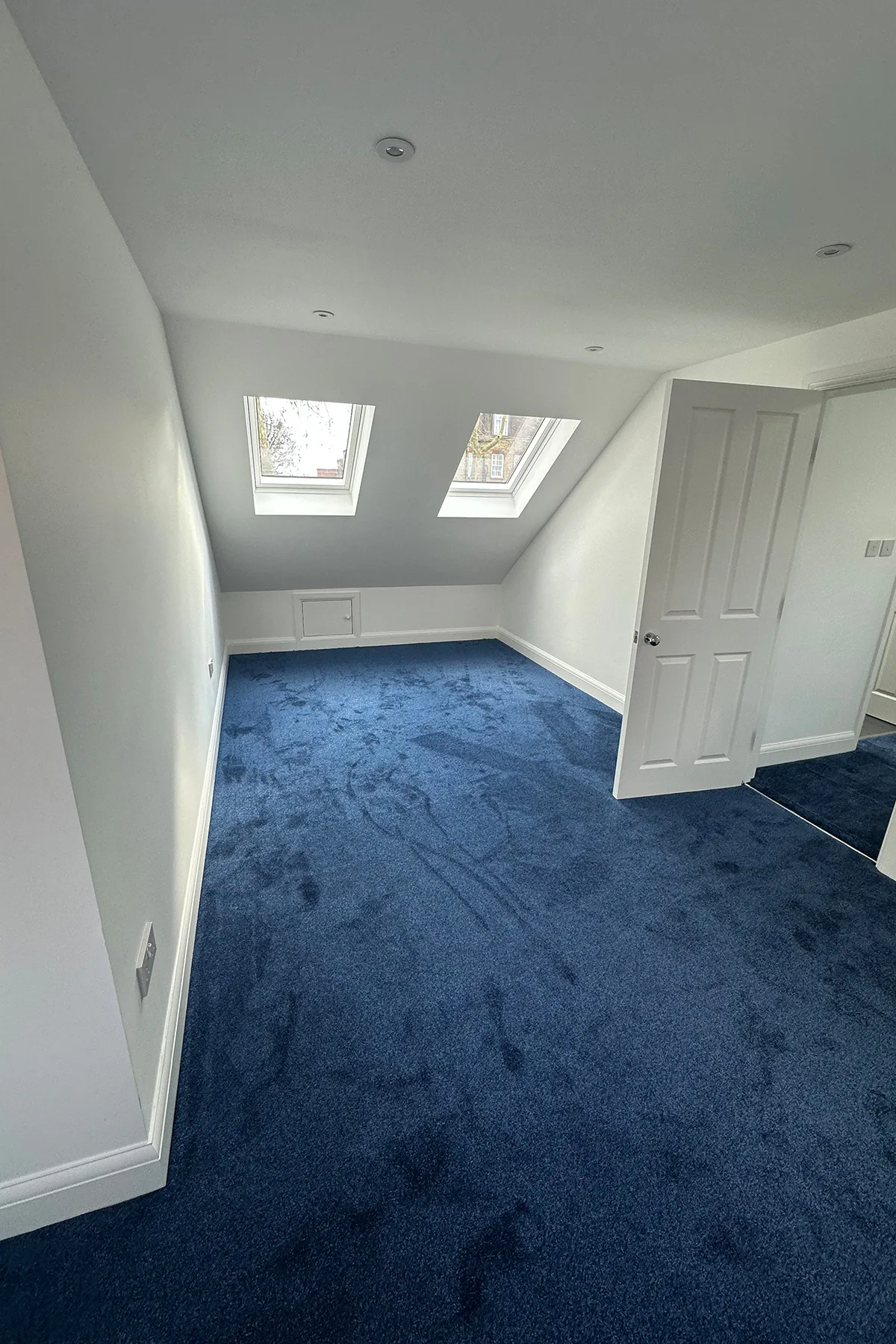
Rear Dormer & L-Shape Loft Conversion in Croydon, London
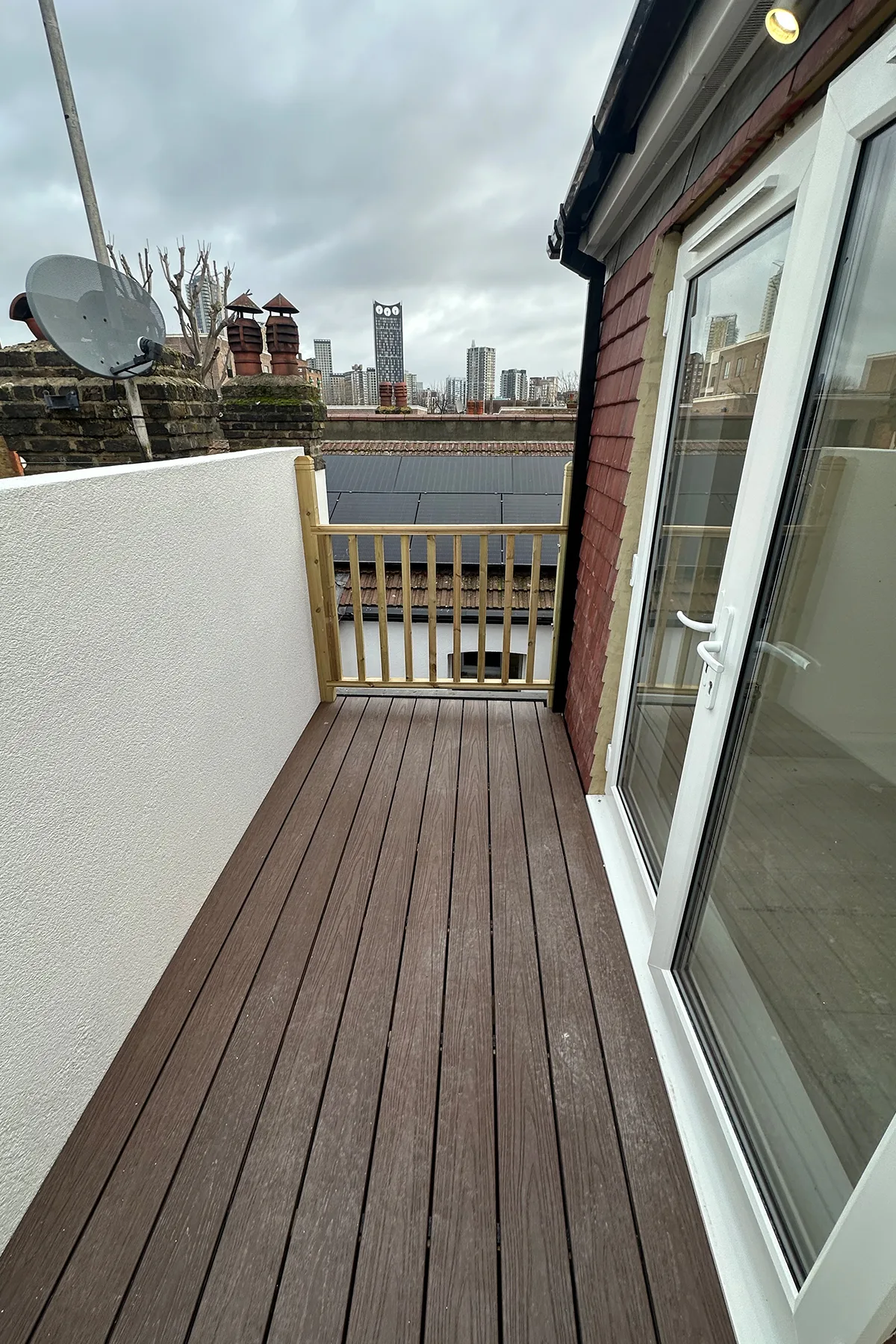
A complete rear dormer and L-shaped loft conversion in Croydon, transforming unused roof space into two spacious bedrooms, a luxury en-suite bathroom and a private roof terrace with composite decking.

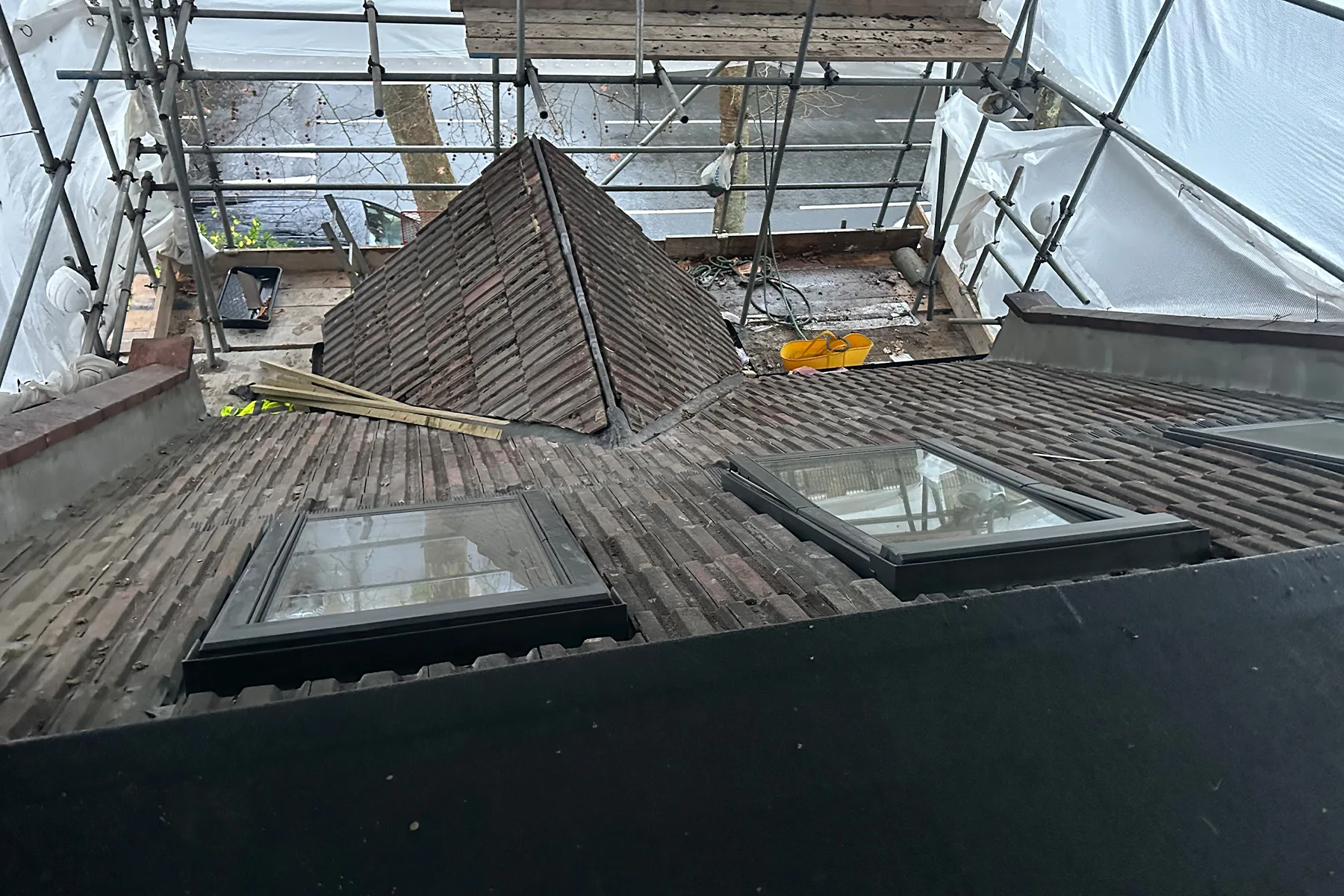
L-Shaped Loft Conversion with Roof Terrace, Byegrove Road, Croydon
This L-shaped loft conversion in Croydon transformed an unused attic space into a bright and contemporary bedroom with an en-suite bathroom and private roof terrace.
FAQs About Loft Conversion Planning Permission
Not always. Many loft conversions can be carried out under permitted development rights, but this depends on your property type, location, roof design and the size of the proposed works.
Permitted development allows certain loft conversions to be carried out without a full planning application, as long as the work stays within specific limits and conditions.
As a general guide, additional roof volume should not exceed 40m³ for terraced houses or 50m³ for semi-detached and detached houses under permitted development rules.
Some rear dormer loft conversions may fall under permitted development, but planning permission may be needed if the dormer is too large, affects the front roof slope, is in a restricted area or includes a balcony, raised platform or roof terrace.
Many Velux or rooflight loft conversions are simpler from a planning point of view because they usually do not significantly alter the roof shape. However, you should still check if the property is listed, in a conservation area or affected by restrictions.
Yes. If your property is in a conservation area, planning rules may be stricter. The council may pay closer attention to roof shape, materials, visibility from the street and the character of the area.
An Article 4 Direction can remove certain permitted development rights in a specific area. If your home is affected, you may need planning permission for work that would normally be allowed under permitted development.
No. Planning permission deals mainly with the external design and planning impact. Building Regulations deal with safety, structure, fire protection, insulation, ventilation and access. A loft conversion needs Building Regulations approval even if planning permission is not required.
If your loft conversion is being carried out under permitted development, a Lawful Development Certificate is often recommended. It gives formal confirmation that the proposed work is lawful.
Roof terraces, balconies, verandas and raised platforms are usually not allowed under loft conversion permitted development rules and may require planning permission.
Planning a Loft Conversion in London?
If you are considering a loft conversion in Croydon or Greater London and are unsure whether planning permission is required, it is best to seek advice early.
Art & Build Ltd can help homeowners understand the practical side of loft conversions, including design, structure, planning route, Building Regulations and construction.
We work across Croydon, South London and surrounding areas, providing loft conversions, dormer loft conversions, house extensions and home refurbishment services.
Contact Art & Build Ltd to discuss your loft conversion in Croydon and explore your options with confidence.
Related Guides
- How to Choose the Right Loft Conversion Company in Croydon
- How Much Value Does a Loft Conversion Add in Croydon?
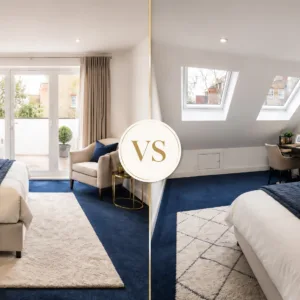
- Dormer Loft Conversion vs Velux Loft Conversion: Which One Should You Choose?
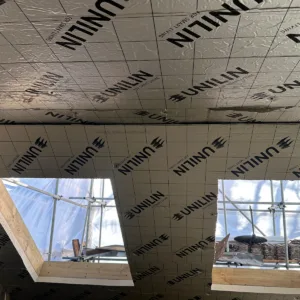
- Loft Insulation Explained: Everything Homeowners Need to Know Before Converting Their Loft
- L-Shaped Loft Conversion in Croydon: Costs, Design Ideas and Real Project Example