

Older properties in Croydon – particularly Victorian and Edwardian terraces, 1930s semi-detached homes and mid-century houses – often have strong structural character but require careful modernisation.
Before investing in cosmetic upgrades, it’s important to prioritise renovation works in the correct order. Doing so prevents costly rework, structural complications and unnecessary disruption.
This guide explains what to renovate first and how to approach improvements logically and safely.

1. Structural and Safety Issues Come First
Before thinking about layout changes or interior finishes, address anything that affects structural integrity and safety.
This may include:
- Roof condition and leaks
- Damp and timber decay
- Outdated electrical systems
- Old plumbing or inefficient heating
- Structural cracks or movement
Many older homes in Croydon benefit from early structural assessment, particularly where previous alterations have been made.
Resolving these issues fdecorating prevents having to undo completed work later.
2. Damp, Insulation and Energy Efficiency
Older properties often lack adequate insulation and may suffer from condensation or penetrating damp.
Before upgrading finishes, consider:
- Loft insulation improvements
- Wall insulation where appropriate
- Window replacement or repair
- Ventilation upgrades
- Damp proofing works
Improving energy efficiency early can reduce long-term running costs and increase overall property value.
Addressing these elements before decorating prevents having to undo completed work later.
3. Electrical and Plumbing Systems
Outdated systems are common in properties that have not been refurbished for decades.
You may need to:
- Rewire the property to current UK standards
- Upgrade the consumer unit
- Replace old pipework
- Improve water pressure
- Install modern heating systems
Completing these upgrades before installing new kitchens, bathrooms or flooring avoids unnecessary disruption.
4. Layout and Structural Reconfiguration
Once the essential systems are secure, you can consider improving how the space functions.
In many Croydon properties, common upgrades include:
- Removing internal walls (subject to structural approval)
- Creating open-plan kitchen-dining areas
- Improving natural light
- Repositioning staircases
- Reconfiguring bathroom layouts
Layout changes should be carefully designed to maintain structural integrity and comply with building regulations.
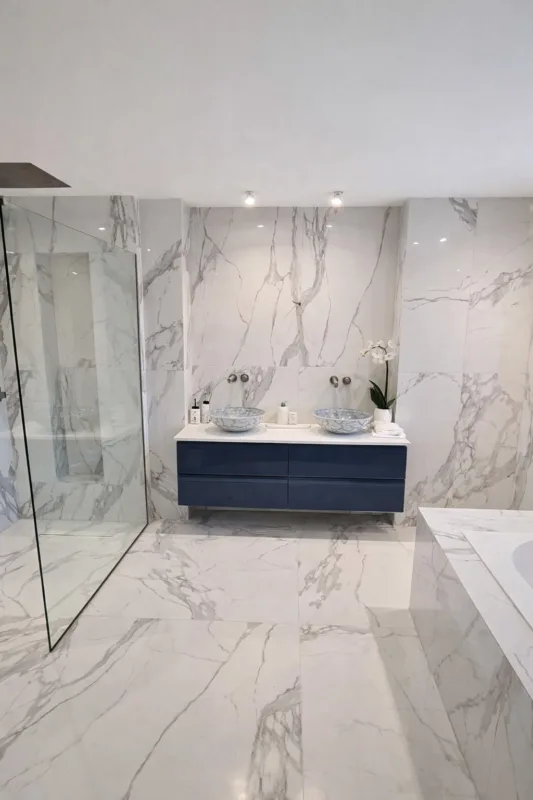
5. Kitchen and Bathroom Renovations
An accurate quote requires:
- Site visit
- Structural review
- Clear scope of works
Speak to our team to receive tailored guidance.
6. Windows, Doors and Finishing Works
Only after structural, systems and layout improvements are completed should you move to:
- Flooring installation
- Internal doors and joinery
- Painting and decorating
- Bespoke storage solutions
Finishing works are the final stage of a well-sequenced refurbishment.
Common Mistakes When Renovating Older Properties
Homeowners sometimes:
- Focus on cosmetic upgrades before structural issues
- Underestimate electrical upgrades
- Ignore damp until decoration begins
- Attempt phased works without a clear plan
A structured approach reduces disruption and ensures long-term results.
Should You Renovate in Phases or All at Once?
In some cases, phased renovation may be necessary due to budget constraints.
However, completing works in a logical sequence is essential to avoid:
- Repeating labour
- Redecorating twice
- Removing newly installed fittings
A professional refurbishment plan can help identify the most efficient order of works.
Renovating an Older Property in Croydon?
Older homes in Croydon offer significant potential, but successful renovation requires careful prioritisation.
If you’re unsure where to start, professional guidance can help you identify structural issues, regulatory requirements and realistic budgets before committing to major works.
Speak to our team to discuss your refurbishment plans with confidence.