
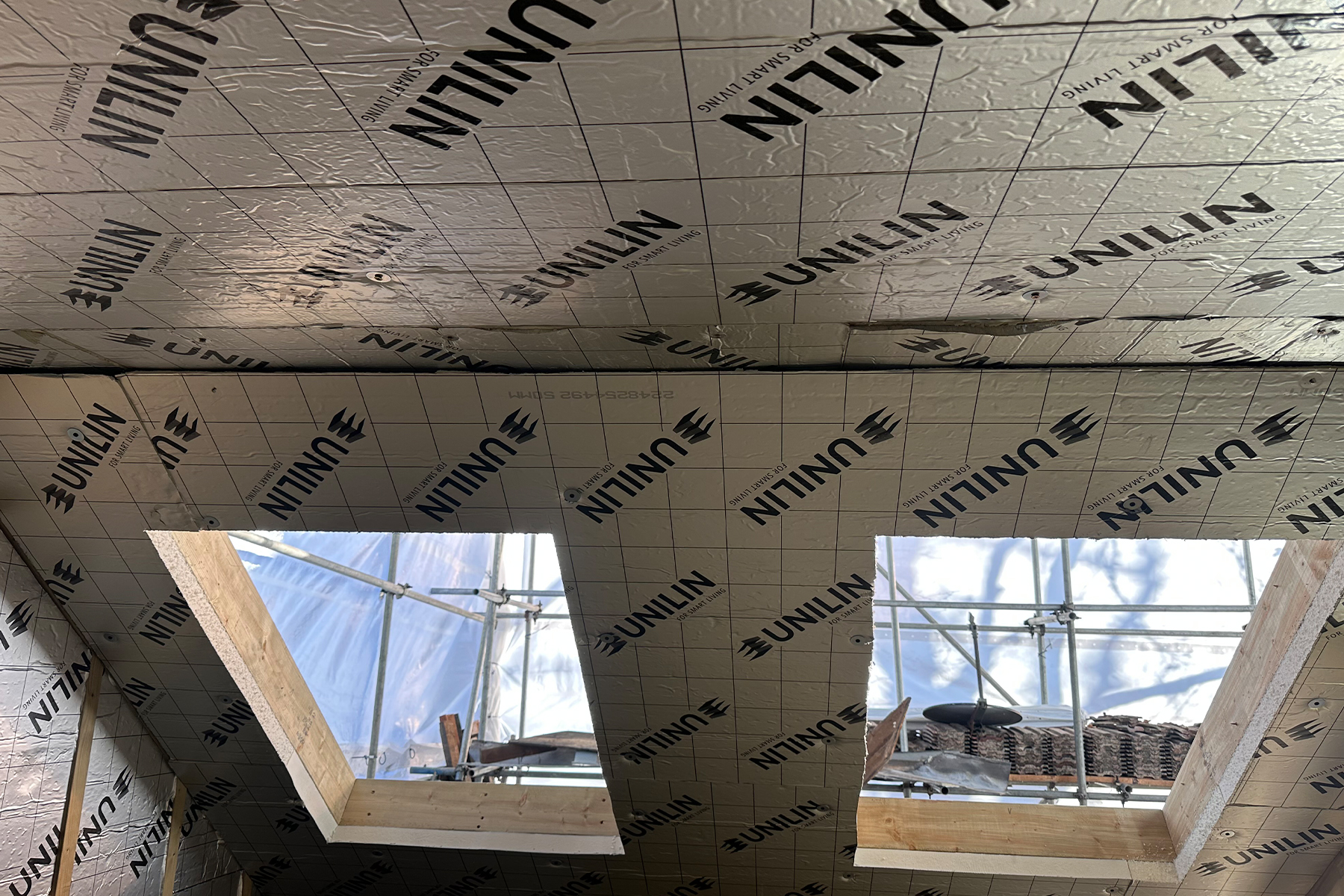
A loft conversion can add valuable living space to your home, but the comfort of that space depends heavily on one thing: loft insulation.
Good insulation helps a converted loft feel warm in winter, more comfortable in summer and more energy efficient throughout the year. Poor insulation, on the other hand, can leave the room feeling too hot, too cold, stuffy or expensive to heat.
Before converting your loft, it is worth understanding how insulation works, what a warm loft means, how insulation affects Building Regulations, and why it should be planned properly from the start.
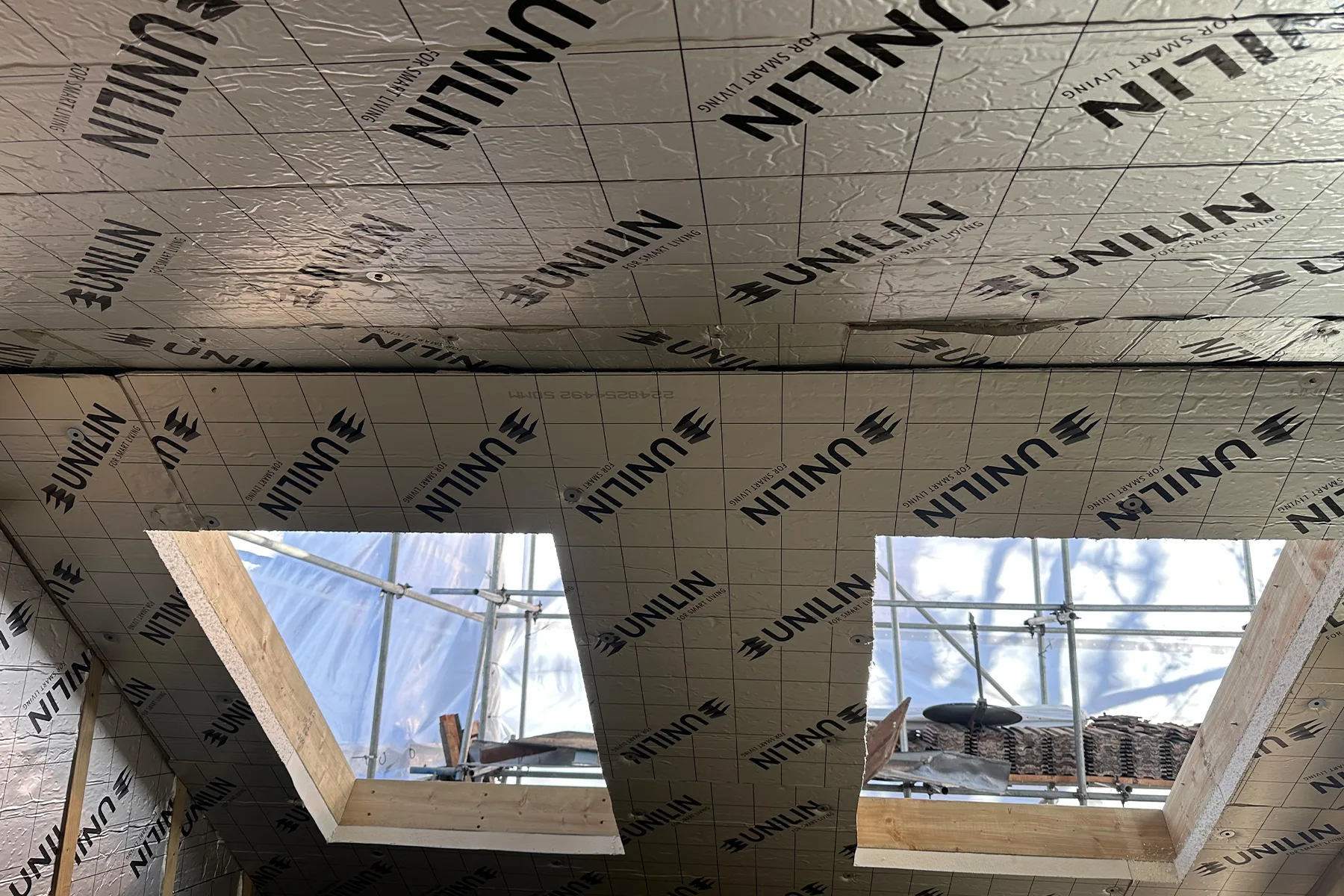
Quick Facts About Loft Insulation
- Loft insulation is not only about keeping heat in during winter.
- Good insulation can also help reduce overheating in summer.
- A converted loft normally needs a warm loft approach, with insulation at roof level.
- Loft conversion insulation should be designed together with ventilation.
- Insulation can affect comfort, energy efficiency, condensation control and loft conversion cost.
- A loft conversion must comply with Building Regulations, including thermal performance, structure, fire safety and ventilation.
- Fixing poor insulation after a loft conversion is finished can be more difficult and more expensive than planning it properly during the build.
What Is Loft Insulation?
Loft insulation is the material used to reduce heat transfer between the inside of your home and the outside environment. In simple terms, it helps slow down heat escaping in winter and helps reduce heat entering the loft during hot weather.
In a standard unconverted loft, insulation is often placed at ceiling level, above the rooms below. But when the loft is converted into a bedroom, office, ensuite or other habitable room, the insulation strategy changes.
A converted loft becomes part of the living space, so the roof, walls and sometimes floors need to be insulated properly to create a comfortable room that can be used every day.
Why Loft Insulation Matters Before a Loft Conversion
Insulation should never be treated as a small finishing detail. It is one of the most important parts of a successful loft conversion.
Good loft conversion insulation helps with:
- keeping the room warmer in winter
- reducing overheating in summer
- improving energy efficiency
- reducing heat loss through the roof
- helping the room feel more stable and comfortable
- supporting Building Regulations compliance
- reducing the risk of condensation when combined with correct ventilation
- making the loft feel like a proper part of the home
A loft can look beautifully finished, but if the insulation is poor, the room may still be uncomfortable to use.
Warm Loft vs Cold Loft
One of the most important things to understand before converting a loft is the difference between a warm loft and a cold loft.
| Type of loft | Where the insulation sits | Best suited for | Main benefit |
|---|---|---|---|
| Cold loft | At ceiling level above the rooms below | Unconverted lofts used mainly for storage | Keeps heat in the rooms below |
| Warm loft | At roof level, usually between and/or below the rafters | Loft conversions and habitable rooms | Makes the loft part of the heated living space |
What Is a Warm Loft?
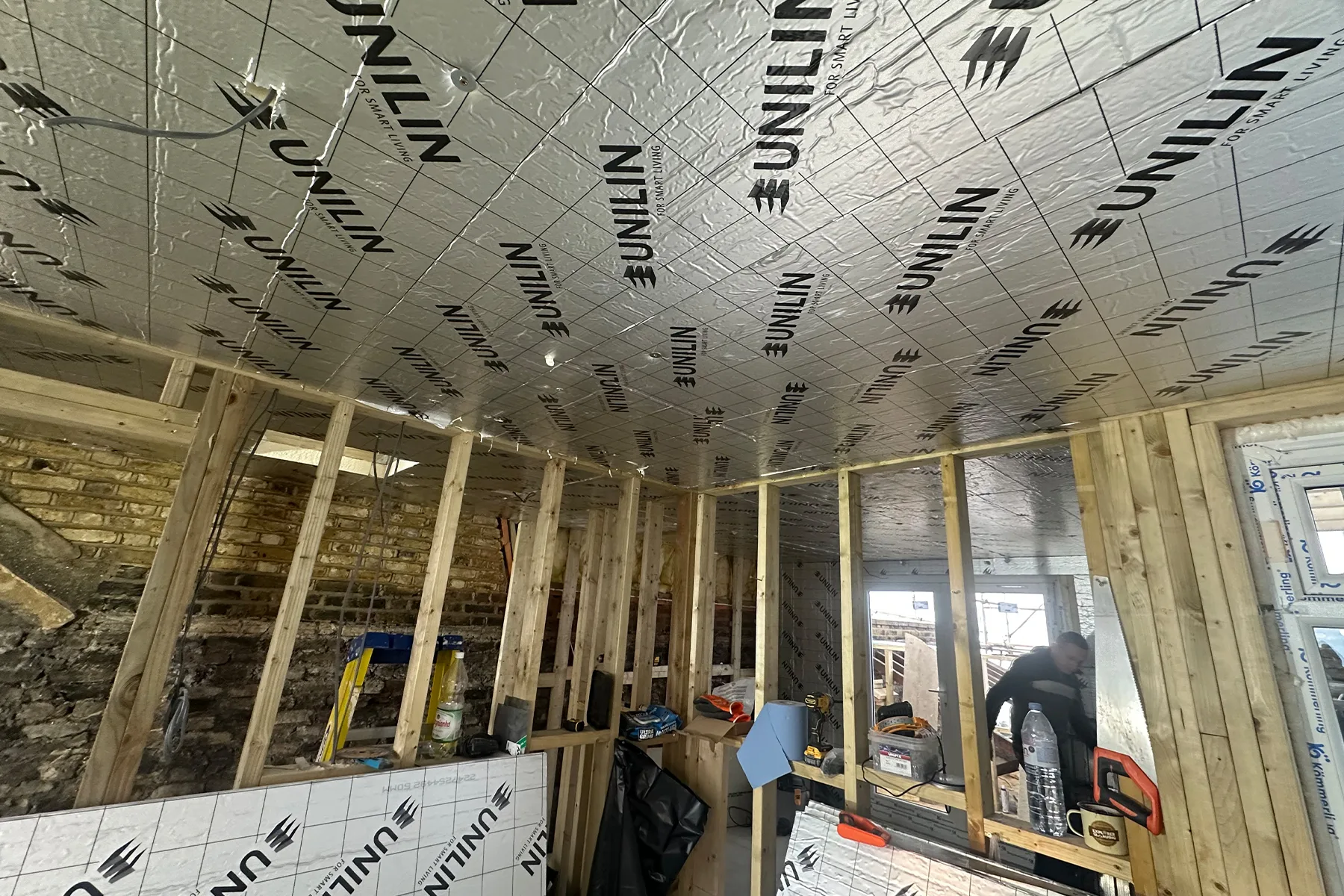
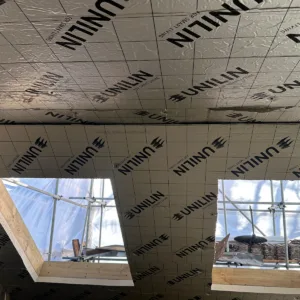
A warm loft is where insulation is installed at roof level, usually between and/or below the rafters. This brings the loft space inside the insulated envelope of the home.
For a loft conversion, this is normally the right approach because the roof space is being turned into a proper living area.
A well-designed warm loft can help the room feel more comfortable in both summer and winter. It also supports better energy efficiency and helps the space work as a natural extension of the home.
What Is a Cold Loft?
A cold loft is where insulation is placed at ceiling level, above the top-floor rooms. This keeps heat in the rooms below, but the loft itself remains outside the main heated part of the home.
This can work well for a loft used only for storage, but it is not usually suitable for a proper loft conversion. If you are turning the space into a bedroom, office or bathroom, the loft itself needs to be insulated as a living space.
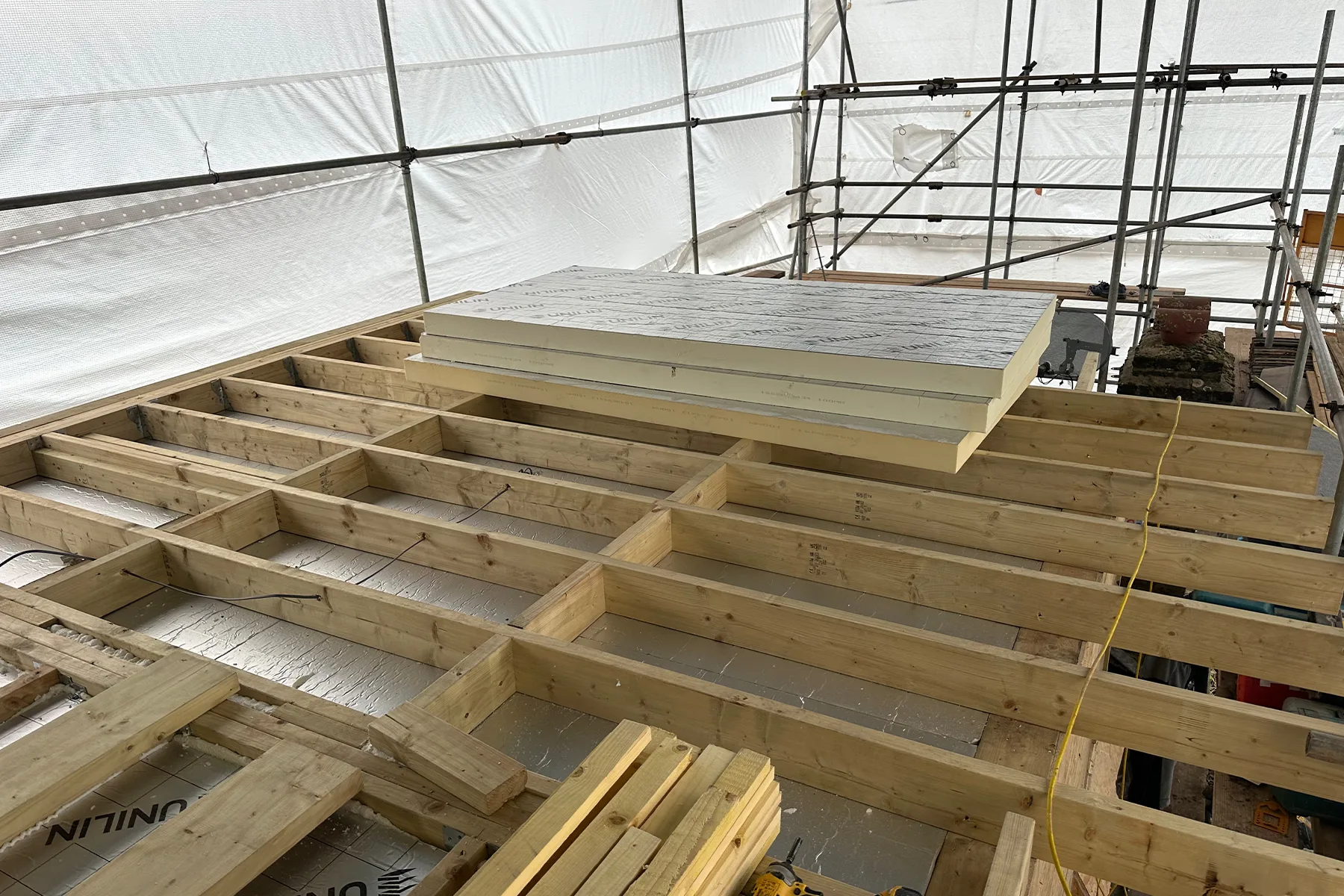
Types of Loft Insulation Used in Loft Conversions
The right insulation will depend on the roof structure, the type of loft conversion, available space, ventilation requirements and the required thermal performance.
Common insulation methods may include:
Rigid Insulation Boards
Rigid insulation boards are often used between and below rafters. They can provide strong thermal performance without taking up too much space, which is useful in loft conversions where head height matters.
Mineral Wool Insulation
Mineral wool can be used in certain areas of the loft, especially where sound reduction or flexible fitting is useful. It is also commonly used in floors, walls and roof spaces depending on the design.
Multifoil Insulation
Multifoil insulation may be used as part of a wider insulation system, but it needs to be specified correctly. It is not always a direct replacement for other insulation types and should be considered as part of the full build-up.
Insulated Plasterboard
Insulated plasterboard can sometimes be used internally to improve thermal performance, especially where additional insulation is needed without rebuilding the entire roof structure.
The best solution depends on the property. A good loft conversion should be designed around the existing roof, the required head height and the final use of the room.
Can Poor Loft Insulation Make Your Loft Too Hot in Summer?
Yes — poor loft insulation can make a loft feel uncomfortably hot in summer.
A loft sits directly below the roof, which means it is more exposed to external temperatures than many other rooms in the house. In hot weather, the roof absorbs heat from the sun throughout the day. Without the right insulation and ventilation, that heat can transfer into the room and make the loft feel hot, stuffy and difficult to use.
This can be especially noticeable in loft bedrooms, home offices or rooms with large rooflights and limited airflow.
Good loft insulation helps slow down heat transfer, which can make the loft more comfortable during warmer months. It will not replace good ventilation, shading or sensible window placement, but it is a key part of controlling temperature.
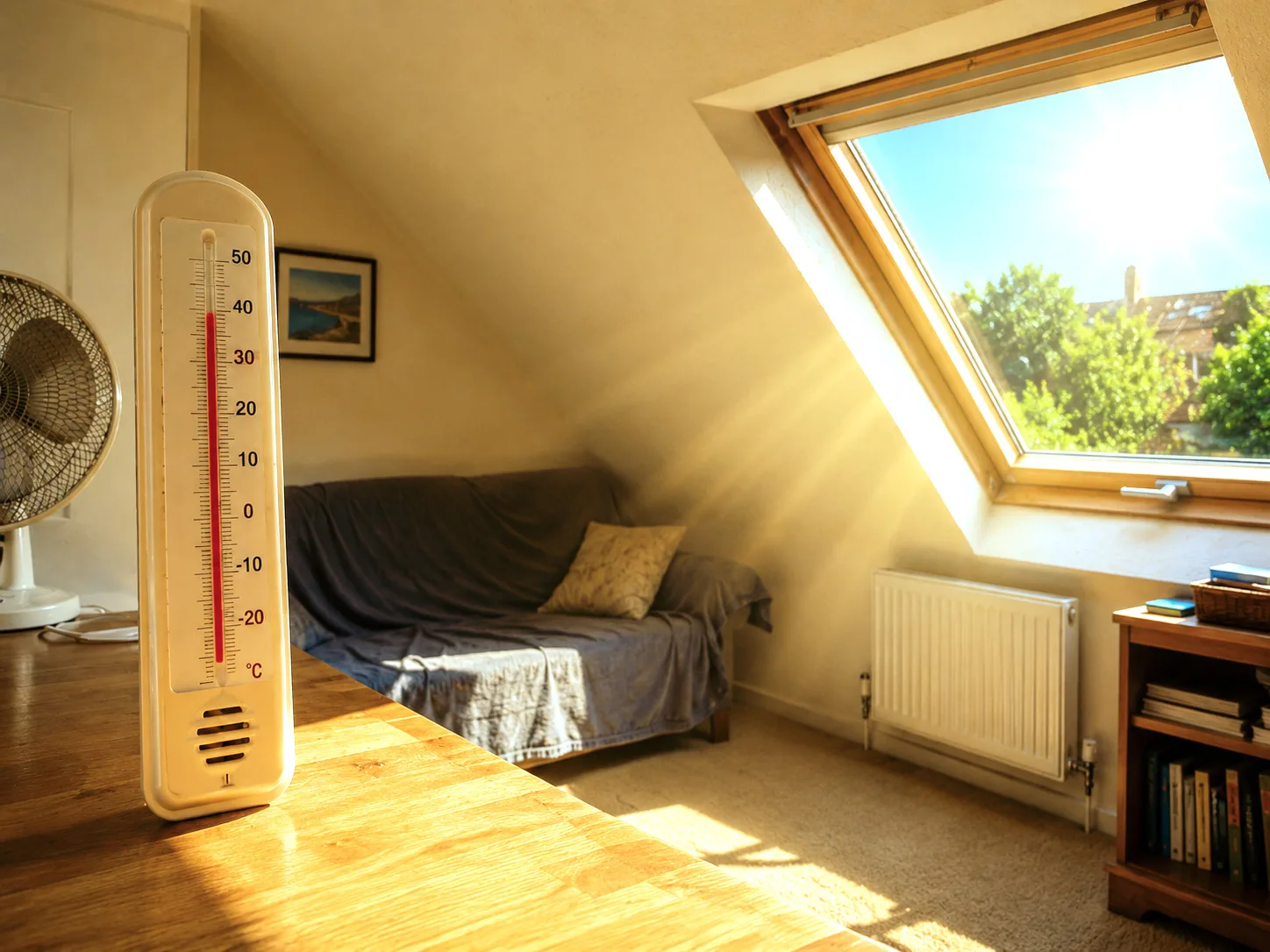
Loft Insulation Is Not Just for Winter
Many homeowners think insulation is only there to keep a home warm in winter. While that is one of its main jobs, insulation also helps reduce heat movement in summer.
In winter, insulation helps slow down heat escaping through the roof. In summer, it helps reduce heat entering the loft space from the roof.
This is why insulation matters so much in a converted loft. The room needs to feel comfortable throughout the year, not just during mild weather.
Loft Insulation and Energy Efficiency
A poorly insulated loft can lose heat quickly in winter, making the room harder and more expensive to heat. Good insulation helps improve energy efficiency by reducing unnecessary heat loss through the roof.
For homeowners planning a loft conversion, this matters because the new room becomes part of the heated home. If the insulation is not planned properly, you may end up with a space that looks finished but performs badly.
Good insulation can help make the loft more comfortable, more efficient and more practical for everyday use.
Can Loft Insulation Reduce Energy Bills?
Good insulation can help reduce heat loss, which may support lower heating demand over time. The exact impact on energy bills depends on the whole property, including heating system, windows, ventilation, roof structure, existing insulation and how the room is used.
For a loft conversion, the main goal is not only to reduce energy use, but also to create a room that feels comfortable and consistent.
A well-insulated loft is usually easier to heat in winter and less likely to suffer from extreme temperature changes during the day.
Does Loft Insulation Affect Loft Conversion Cost?
Yes, insulation is one of the important elements that can affect loft conversion cost.
The final cost of a loft conversion depends on the type of conversion, roof structure, insulation specification, windows, ventilation, fire safety, staircase design, structural work, plumbing and internal finishes.
Choosing the cheapest insulation approach may reduce costs at the beginning, but it can lead to comfort problems later. In many cases, it is better to plan insulation properly during the main construction stage rather than trying to fix issues after the loft has already been finished.
You can read more in our guide to loft conversion cost in Croydon.
Loft Insulation and Building Regulations
A loft conversion must comply with Building Regulations, and insulation is an important part of that process.
Building Regulations are there to make sure the converted space is safe, structurally suitable, energy efficient and fit for everyday use. For loft conversions, insulation is usually considered alongside:
- structural safety
- fire safety
- stairs and safe access
- ventilation
- thermal performance
- windows and rooflights
- moisture and condensation control
This is why loft conversion insulation should be planned as part of the full design, not added casually at the end.
You can read more in our guide to loft conversion Building Regulations in Croydon.
Why Ventilation Matters With Loft Insulation
Insulation and ventilation need to work together.
If a loft is well insulated but poorly ventilated, moisture and condensation can become a problem. If it is poorly insulated and poorly ventilated, the room may become hot, cold, damp or stuffy depending on the season.
A good loft conversion should allow the roof structure to perform correctly while also providing suitable ventilation for the living space.
This is especially important if the loft includes:
- an ensuite bathroom
- a shower room
- large rooflights
- limited opening windows
- built-in storage around sloping ceilings
Mechanical extraction, opening windows, rooflights and background ventilation may all form part of the final design.
Common Signs of Poor Loft Insulation
If an existing loft room or older conversion has insulation problems, you may notice:
- the loft gets very hot in summer
- the room becomes cold quickly in winter
- heating bills feel higher than expected
- the room feels stuffy or uncomfortable
- condensation appears around windows or sloping ceilings
- the temperature changes quickly throughout the day
- the space is rarely used because it never feels comfortable
If you are planning a new conversion, these are exactly the problems good design should help avoid.
Common Loft Insulation Mistakes
Some of the most common insulation mistakes include:
- Treating Insulation as an Afterthought – Insulation should be planned at the design stage, not squeezed in after the main structure has already been built.
- Ignoring Ventilation – Insulation without proper ventilation can increase the risk of condensation and moisture problems.
- Using the Wrong Insulation Build-Up – Not every insulation material or system is suitable for every loft. The roof structure, available depth and ventilation requirements all matter.
- Losing Too Much Head Height – Adding insulation internally can reduce head height if it is not planned carefully. This is especially important in loft conversions where every centimetre matters.
- Forgetting About Summer Comfort – A loft conversion should be designed for year-round comfort, not just winter warmth.
Loft Insulation Checklist Before Converting Your Loft
Before starting a loft conversion, it is worth checking:
- Is the loft being designed as a warm loft?
- Has insulation been considered at roof level?
- Will the insulation meet Building Regulations requirements?
- Has ventilation been designed properly?
- Are rooflights and windows positioned sensibly?
- Will the room be comfortable in summer as well as winter?
- Is there enough head height after insulation is installed?
- Has condensation risk been considered?
- Will an ensuite or shower room need mechanical extraction?
- Has insulation been included properly in the overall project cost?
This checklist can help homeowners ask better questions before work begins.
Real Project Inspiration
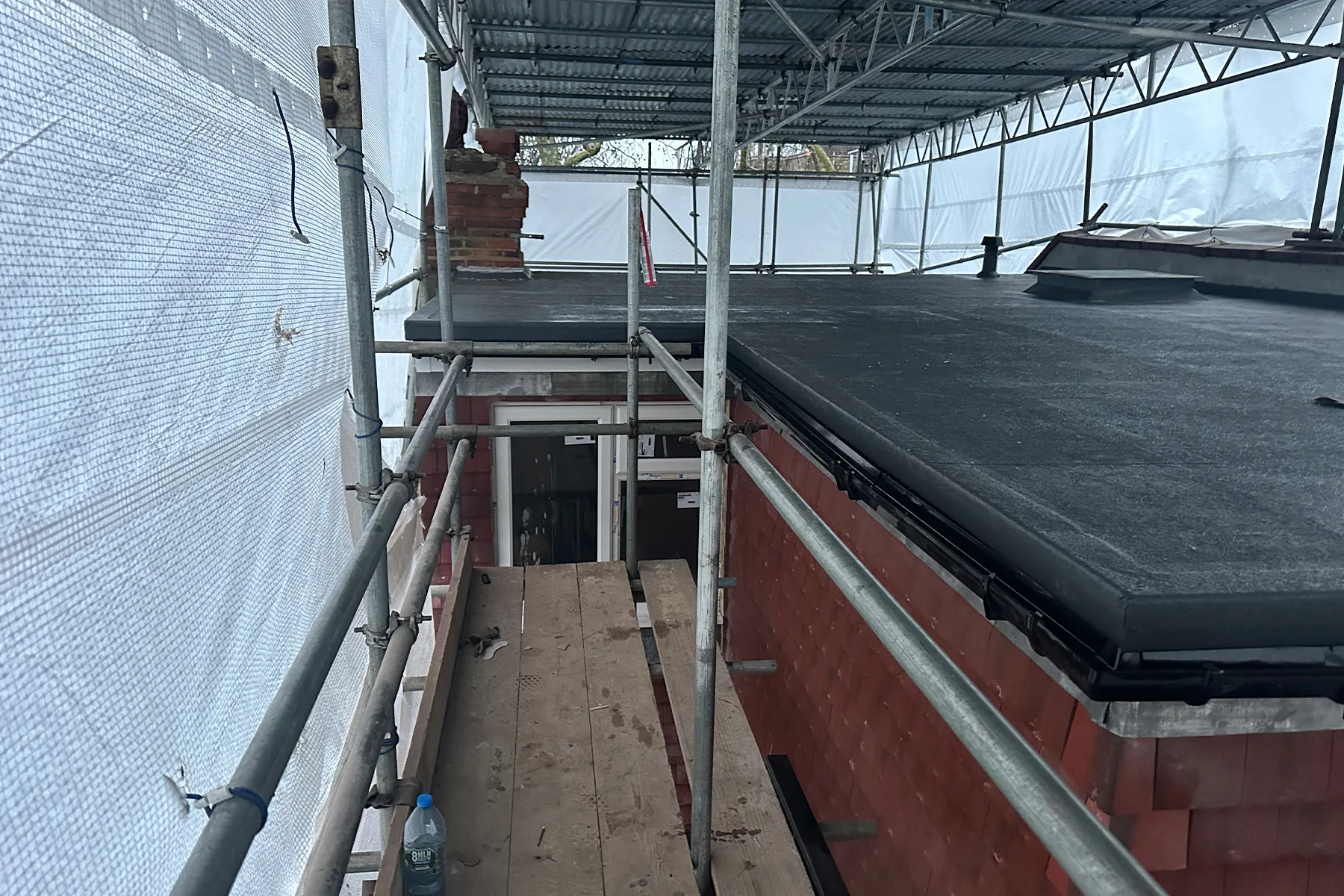
At Art & Build Ltd, we work on loft conversions, dormer loft conversions, L-shaped loft conversions, house extensions and home refurbishment projects across Croydon, South London and surrounding areas.
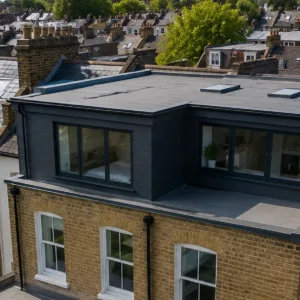
You can view our recent L-shaped loft conversion in Croydon to see how unused roof space can be turned into practical new living space with careful planning, structural work and finishing.
FAQs About Loft Insulation
Do I need to insulate my loft if I am converting it?
Yes. A converted loft needs to be insulated properly because it becomes part of the living space. The insulation should be planned as part of the full loft conversion design.
Is loft insulation only for keeping the room warm?
No. Loft insulation helps with winter warmth, but it also helps slow down heat transfer in summer. This can make the loft more comfortable throughout the year.
What is the difference between a warm loft and a cold loft?
A cold loft is usually insulated at ceiling level, above the rooms below. A warm loft is insulated at roof level, making the loft space part of the heated home. A loft conversion normally needs a warm loft approach.
Can poor insulation make a loft too hot?
Yes. Poor loft insulation can allow heat from the roof to transfer into the loft space more easily, making the room hot and uncomfortable in summer.
Does loft insulation need Building Regulations approval?
A loft conversion must comply with Building Regulations, and insulation is part of that process. The exact requirements depend on the property and the design.
Can I improve insulation in an existing loft conversion?
Sometimes, yes. However, improving insulation after a loft has already been finished can be more disruptive and expensive than doing it properly during the original conversion.
Does insulation affect the cost of a loft conversion?
Yes. Insulation specification can affect loft conversion cost, especially when combined with roof structure, ventilation, windows, internal finishes and Building Regulations requirements.
Related Guides
- How to Choose the Right Loft Conversion Company in Croydon
- How Much Value Does a Loft Conversion Add in Croydon?
- Dormer Loft Conversion vs Velux Loft Conversion: Which One Should You Choose?

- Loft Insulation Explained: Everything Homeowners Need to Know Before Converting Their Loft
- L-Shaped Loft Conversion in Croydon: Costs, Design Ideas and Real Project Example
Planning a Loft Conversion with good insulation?
If you are planning a loft conversion in Croydon, insulation should be considered from the very beginning. The type of conversion, roof structure, windows, ventilation and internal layout will all affect how comfortable the finished room feels.
You can also view our recent L-shaped loft conversion in Croydon to see how unused roof space can be turned into practical new living space.
Our team can help you create a loft space that is not only bigger, but also comfortable, practical and suitable for everyday use.
Contact Art & Build Ltd to discuss your loft conversion in Croydon and find out what may be possible for your home.